Self Portrait in coloured pencil

Saturday, 22 September 2018

Boots the Deerhound 2


Boots the Deerhound 2

I have been working a lot on some small pencil drawings of animals, but I got some work done on Boots too. I am enjoying working with pastel and pastel pencils. 
I mentioned in last week’s blog that when I used to paint exclusively in pastel about 20 years ago, pastel pencils weren’t good enough for my technique. But there have been such great innovations in art since then, that I took a chance and bought a full set of Derwent’s pastel pencils and I was very pleased with them. I think that one of the reasons that they are working well on this painting is because of the primer. It is gritty enough to catch the pigment. 
One of the best things about pastel back in the days when I was bringing up my 2 sons, was how you can just walk away and leave it while you deal with the next domestic emergency! Now I am living with dogs and cats I still have domestic emergencies. Moreover, it is so nice just to be able to pick up a pastel or pencil and make marks on the canvas without having to set out my palette and brushes. 
I have been working on the left hand side so I don’t know if the changes in the painting are noticeable. I am happier about the grass and the fluffiness of Boots’ fur against it. I have been blending the darker areas too. It will look more interesting when I have worked on his head. I am getting there. 
I am going to spray it with fixative so I can go over the details with oil paint. So in the end I suppose that I should call it mixed media. 


Sunday, 16 September 2018

Boots the Deerhound


Boots the Deerhound

I used to paint exclusively in pastel until I lost the use of my right hand thumb, which meant that I couldn’t grip a stick of pastel without it dropping on the floor and crumbling. So I changed to working in pencil. I used a grip that meant the weight of the pencil rested on the fork between my thumb and first finger. Then, as my thumb started to get better, I painted in acrylic gouache using a method similar to the egg tempera technique. I lay the colours on the surface without directly mixing or blending them.
Then I tried oil paint. My hand isn’t strong enough to manipulate the paint except in glazes, so I was feeling frustrated. I started to wonder if there was any way of painting pastel over oils. Perhaps I could hold a pastel pencil. When I gave up pastels, the quality of pastel pencils weren’t up to my technique. 
So I started to look around at ways of combining pastel with oils. 

I discovered that there is a binder to turn pigment into oils. I bought a bottle of it but I haven’t tried it yet.
 
Then I found a fixative that claims to fix pastel and other dry mediums so that they can be overpainted in oils. I bought some and tested it. I painted over the blue sky in an unfinished oil painting with Colourfix primer. I have used this primer to use coloured pencils over acrylic and that is a challenge so I knew that I would be able to paint the pastel on top of it. I made a nice blended blue sky and sprayed it with the new fixative. It worked. But I haven’t tried painting over that (yet).

I have been struggling with the painting of Boots. I wasn’t happy with the hedge behind him or with the grass against the shadows of the hedge. So I tried using pastel.

I was thrilled to find that I could use the pastel sticks without dropping them. I was working on the hedge for nearly 2 hours without getting my arm and hand tired. I stopped because it was time to spray it with the fixative. 
What I learned: to spray it lying down and it takes more than a couple of minutes to dry. I set it upright when I first sprayed it and I got a dark green run over the light green grass. I laid it flat and it was easy to wipe clean, but I won’t do that again. It was a good thing that it was only the hedge. 

I brought it downstairs and set it up on the easel and worked on it some more today. I concentrated on improving the grass with pastel. I also worked a bit on Boots’ fur where it curls over the grass. The white is brighter than it was but it still needs work. I added a bit of grey but not enough. 

I am adding 2 photos of materials. First I want to show my “palette”. My brother made it for me by routing grooves in a piece of nice wood. 
Second I use quantities of putty rubber or kneadable erasers; two names for the same thing. I bought 3 different makes because the manufacturers change their formulas sometimes and it is a long time since I bought them. I cut them into small pieces with a pair of scissors. I find that they keep better with a tidy edge, rather than pulling a piece off. The important thing to know about storing putty rubbers is to keep them in the dark. Light makes them turn hard. 
I don’t use them for erasing much. I use them as a blending stump. The kind of stump that I have bought in the past transferred dirt once I had used it once. But a small piece of putty rubber can be squeezed to a new point for days. You can get a really clean edge with it.
The fixative is SpectraFix Degas Fixative. 


Friday, 7 September 2018

Marianne North


Marianne North

I have been experimenting with mixed media this week and it isn’t ready to be seen yet, so I decided to write about another of the books in my art library. It is right next to “From Hogarth to Keene” on the shelf and I thought I must share it one day, but I didn’t expect it to be this week. 

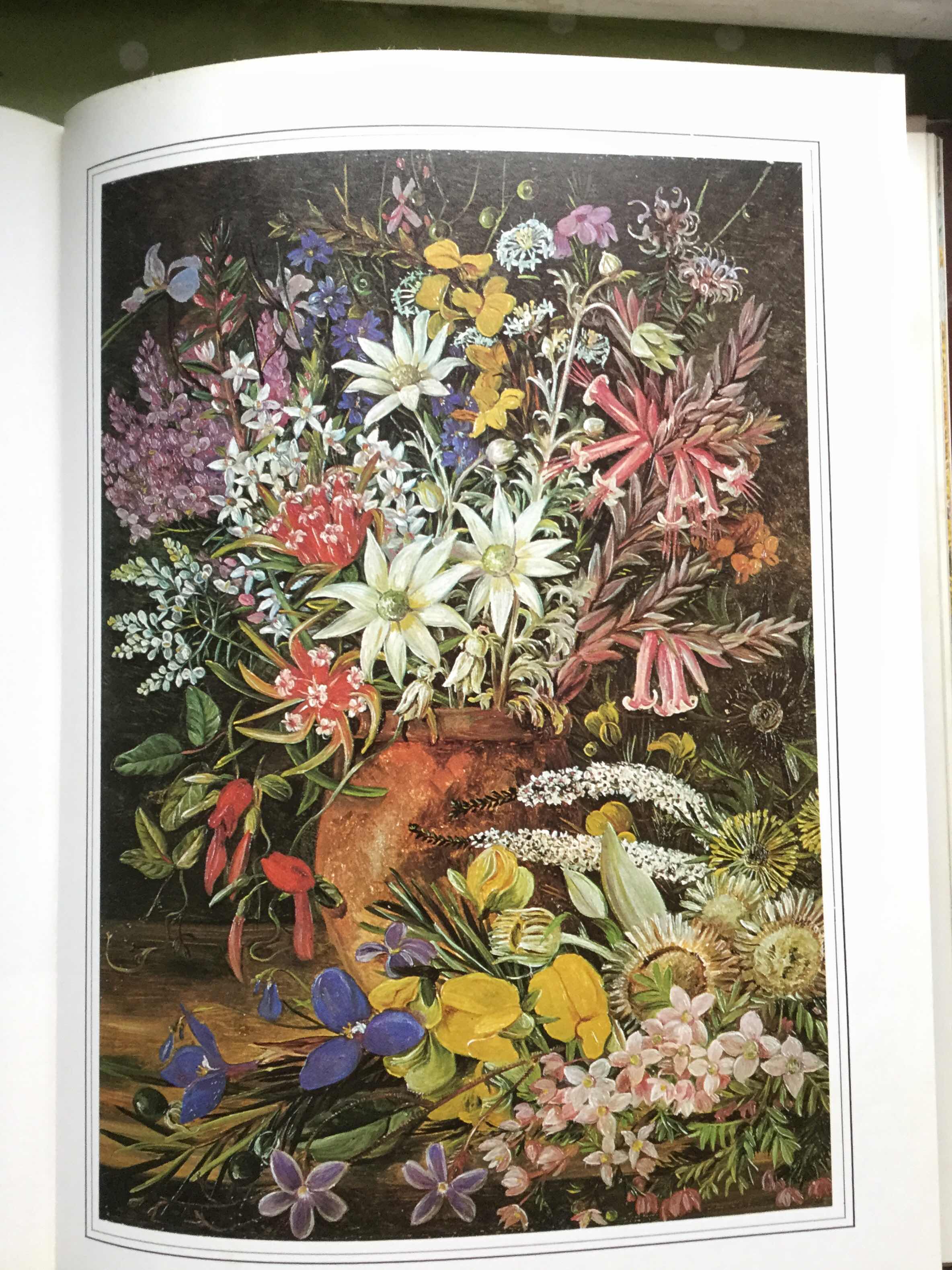
I hadn’t heard of Marianne North before I found the book “A Vision of Eden” in a second hand bookshop. It is part autobiography and part biography. She described how she learned to paint flowers. 
After her mother died they moved to London and often visited Kew Gardens which made her want to visit the tropics. She traveled Europe with her father and later many other parts of the world, and wherever she went she painted the flowers.
Eventually she had so many paintings that Sir Joseph Hooker offered to house her paintings at Kew, and she had a gallery specially built. Sir Joseph Hooker gave her introductions to botanists all over the world and they helped her access the plants she wanted to paint. She discovered many new species and brought them back to Kew. 
Having learned about the Marianne North Gallery, I couldn’t rest until I had visited it. I was living in London and had visited Kew Gardens many times (I loved the Palm House) but I hadn’t noticed the gallery. So I went and looked for it. 
The photo of the gallery in the book didn’t prepare me for the vision that met me when I entered the gallery. The paintings glow like jewels. 
I don’t know if you can read the text under the photo. It says that there are 832 paintings in the two rooms. 
Below are some more photos of pages from the book. One is a photo of the other room and there are photos of a few of the paintings to give you an idea of the impact. 
Do visit the Marianne North Gallery in Kew Gardens if you have the opportunity. 


Friday, 31 August 2018

Hogarth to Keene


Hogarth to Keene 

I have been in a reminiscent frame of mind this week. 
The line of Fliss’s tail kept reminding me of Hogarth’s “line of beauty” which is an S shape. So I went looking for my book “From Hogarth to Keene”.

Because I had polio as a baby and couldn’t run around with other children, I learned to read early and I spent all my free time reading. 
In our sitting room, where we entertained visitors, there was a display cabinet. The bottom shelf held books. There was a set of encyclopaedias in eight volumes called the Books of Knowledge and I used to sit on the floor by the display cabinet and read them from cover to cover. I was particularly interested in mythology but I read about everything. 

Another book that was on the bottom shelf was “From Hogarth to Keene” by Henry Reitlinger, published in 1938. I mention the year because I want to quote the first sentence from Chapter 1: Story-Telling. “Our grandparents lived in the belief, which few ever seriously thought of questioning, that a picture ought to tell a story.” 
The author goes on to say that fashions in art have changed, and then he says that drawing in black and white “is clearly the natural and Heaven-sent medium for recording the anecdotal and even the jocular side of life”. 
So the book is about black and white illustration and the artists who had a talent in those mediums. 
I wonder if it was reading this book that gave me the love of pen and ink drawing. I took the book when my parents died. It held such precious memories. I left the encyclopaedia though. The information was so out-of-date.

William Hogarth was trained as a line engraver but his talent lies in his paintings and the social comment in his subjects. I was fascinated. When I was living in London I made a point of visiting Sir John Sloane’s Museum to see The Rake’s Progress set of eight paintings. I recommend a visit. It holds amazing items besides the paintings. 
I photographed pages of the book with illustrations by Hogarth (see above). 

Charles Keene is not so well known. He has a vigorous style which I admire. I thought that as his name was in the title I should take photos of his illustrations from the book to show you. So here they are below. 

Don’t you think that the old woman’s umbrella is delightful!


Friday, 24 August 2018

Workbench Finished


Workbench Finished

Today I screwed the second wall table to the wall in my workroom/spare bedroom. 
I was using a wallpaper pasting table which is still in the room - the black thing by the window. It was a temporary solution. I couldn’t open the trapdoor to the attic and pull down the ladder without heaving the pasting table onto the sofa bed. So clutter piled up. 
I looked for a wall table that would fold down behind the loft ladder, and bought two. 
I used the pasting table to help me make and put up the table near the window. It wasn’t totally successful. You can see in the photo above that there is a gap where it is attached to the wall. Luckily it seems to be strong. But for the nearer table I decided I was going to add glue to make sure. 
I had to close up the wallpaper pasting table for lack of space so I racked my brains for a way of supporting the next table while I screwed it to the wall. I thought “What would Dad have done?” and I remembered the old kitchen stools that I kept because I used to use them for a sawhorse. Luckily they weren’t in the attic. I needed to stack some books on them to get them to the right height but I made it work. 
My Dad was the kind of father who teaches their disabled 4 year old daughter how to point a wall. He was a bricklayer. 

I don’t have my easel in this room. It faces South and I like a North light for painting. But it is out of the way (usually) of cats and dogs so I can dust and feel able to do those jobs that I call setting up without getting hairs stuck on my work. I can prime and gesso the canvas and put in the structural lines before I take it downstairs and put it on the easel. 
I often add the structural lines to the reference photo in Photoshop and print it on plain paper, then I rub 9B crayon on the back of the paper and transfer it by drawing the structural lines keeping them straight with a ruler. It isn’t the same as squaring up. I do it to keep the angles right. I used to measure angles the regular artist’s way by holding up a paintbrush, but when I got post polio syndrome I couldn’t hold my head or my hand steady any more, so I developed a more technical method to keep noses straight!


My easel is in my front room facing the North. I have now got everything that I need to help me sit at the easel and paint. I have my new saddle stool that helps me balance and stops me getting backache. I have have the canvas rotating attachment so I can turn the painting to the right angle to make the strokes of paint easy to line up correctly. I have a brush holder with an assortment of different brushes and a brush cleaning system that is tucked away on the window sill behind the antique block plane that my father taught me to use many years ago. I am near the front door for when visitors or delivery people knock. 
And on the other wall I have my picture shelves where oil paint layers can dry. 
Don’t forget the dog bed and the chair for the dogs to keep out of the way while I am painting. They are very good while I am painting. The rest of the time I am expected to throw squeaky balls. 


Friday, 17 August 2018

Maurice Quentin de la Tour


Maurice Quentin de la Tour
The portrait above is of Marie Fel. She was a popular singer, still performing when she was 65. De la Tour loved her and judging by her expression she loved him too.

When I first started to paint portraits, I tried acrylics but I didn’t get on well. I was going to a weekly evening class and one of the other artists brought in a box of pastels that her grandmother had given her. I took one look and knew I had found my medium.

A few weeks ago a man who is interested in the history of art asked me which artist inspired my portrait style. So I immediately said Maurice Quentin de la Tour. I got my book, “The French Pastellists of the Eighteenth Century” by Haldane Macfall, from the book case, and showed him the images.

I found the book in a second hand bookshop. The prints are tipped onto blank pages in the book and I feel lucky to have found the book with all the prints in place. So many of those old books had the prints removed to hang on the wall. The book includes many Eighteenth Century pastellists, but it is clear that Mr Macfall considered that de la Tour was the star.

I am inspired by Maurice Quentin de la Tour because of the liveliness of the expressions he portrays. Most of his portraits tell me as much about the artist as about the subject. It is obvious from their amused expressions that he was an entertaining and witty man. 

Most Eighteenth Century Portraits by famous oil painters look more like furnishings for their patrons’ mansions (chateaux?) than interesting individuals. I understand the desire of the patrons to want to present an image for posterity, but I don’t feel sad to think that I can never meet them. In de la Tour’s case I feel that I have already met them. So he inspired me to emulate him, not in wit but perhaps in kindness.

A lot of Maurice de la Tour’s portraits are in the Louvre. I haven’t been to Paris to see them but I have seen and appreciated a portrait of a young man in the National Gallery, London. It was in an obscure corner. Pastels are undervalued. 

His most famous portrait is the one of Madame Pompadour (below) but there are many to see at this link which is where I downloaded the images on this page. It is free to download the jpegs and you can buy prints of the portraits from the site.
The site is a wonderful resource for looking at great art: 


Friday, 10 August 2018

Portrait of Nobu


Portrait of Nobu

I painted the miniature of Nobu a very long time ago when I lived in London. I had a lot of Japanese friends then and Nobu and his wife and baby were particularly delightful. I did a number of portrait drawings of them and when I found some Ivorine (artificial ivory) in an art shop I bought it and tried my first miniature choosing Nobu for my subject. The size is 7 x 5 cms so don’t try and look at it at a bigger scale. 
The portrait has been tucked away for long enough, and as I was going to the framers to collect an artwork I tucked Nobu’s portrait into my purse. The portrait may be small but I want the perfect frame for it. I also found the scraperboard of Jasper’s eye to take to the framer.
The bad news is that the framers was closed for the week so I was in Penrith with nothing to do until the bus home. The bus to Penrith is at 10 o’clock in the morning and the return bus is at 1:40 in the afternoon. So I walked to the cycle shop at the other end of town and asked if they could get me a tricycle. I got a text today to say it is in the shop.
I think that I have mentioned before that I had polio when I was a baby and now I have post-polio syndrome which is when muscles that were a little bit weak get a lot worse. I am planning on strengthening my leg muscles by using the tricycle to “walk” the dogs. I will have a tricycle seat to rest while the dogs sniff so I won’t get into difficulties! My biggest problem is my balance and that won’t be an issue with a tricycle. 
I will even be able to go out and take photos again. Bliss!